Poverty Might Not Look the Way You Think
Acest articol este disponibil și înromână
• 3 minutes read
Sometimes wealth is not measured in money, but in time and quiet.
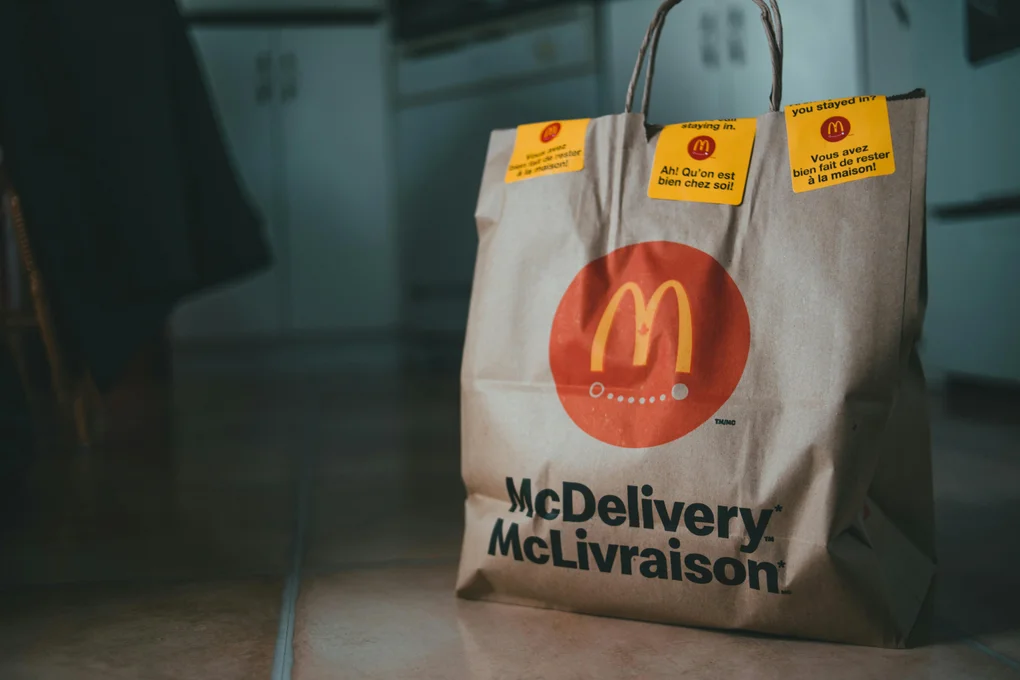
There is a form of poverty that never shows up in statistics and is rarely discussed. It has nothing to do with income, but with time, with quiet, with the ability to spend an hour in the kitchen without looking at the clock or at notifications.
A few days ago I saw a conversation on LinkedIn that sounded similar to this one below (with the disclaimer that the original post was trying to sell some kind of financial education course):
Him: I want to become so rich that I can afford to order food every day.
Me: I want to become so rich that I never have to order food again.
Him: Is that how poor you want to be, not being able to afford Glovo?
Me: I want to be so rich that I don’t need to order food. To have time to eat at a restaurant, to cook, or to have someone cook for me. Food should be natural, prepared the way I like it, not rushed.
Yes, the discussion was about food delivery apps, but that is not really the point. The point is how we define wealth and which basic things should be part of a normal routine. It is 2026 and we increasingly believe that success means constant optimization. Time must be compressed, meals outsourced, conversations moved into the city, into commercial spaces. If you stay home and cook, it feels like you missed out. If you invite friends over and just talk without a bill at the end, it somehow does not count as an “event.”
The truth is less glamorous. Look at the thousands of people carrying thermal bags for Bolt, Wolt, Glovo and similar apps. Everyone orders food, but many who “can afford” to do it daily are not rich. They are exhausted. Drained of the time needed to prepare a meal. Drained of the time they could have used to learn how to cook something simple. They are stuck in a race where career becomes identity, and identity becomes the justification for every sacrifice: I don’t have time to cook; I don’t have time to clean the house; I don’t have time to see my child growing up except between meetings; I don’t have time to sit in a living room with a stovetop coffee and no pressure from a reservation at 8:00 PM.
And nowhere is this more brutally visible than in the United States. Walk into a Whole Foods and try to cook something simple with clean ingredients, and be ready to leave a serious amount of money at the register, on top of the time it takes to prepare it. Quality meat, organic vegetables, products without additives - they cost. Meanwhile, for 10 or 11 dollars you can get a full combo meal at In'n'Out or almost any fast food chain. For a parent working two jobs and getting home at 8:30 PM, the choice is obvious from the start. Time is scarce, money is counted down to the cent, and the system pushes toward the quick and cheap solution, not the healthy one.
And all of it is wrapped nicely in words like productivity, hustle, performance, targets, bonuses. But here we need to be honest. What feels vital, urgent, dramatically important to us is not vital for humanity. We are not in an operating room next to a surgeon saving lives. The economy will not collapse if we close the laptop at 6:00 PM.
Most of the time, “I don’t have time” does not mean we are working 16 hours a day to save the planet. It means we lose hours doomscrolling. We sink into endless feeds. We watch three episodes instead of one, and Netflix auto-plays the next one and we do not resist.
We do not have time to cook, but we have time to read comments on posts that do not change our lives.
We do not have time to clean, but we have time to follow online scandals.
We do not have time to take our child for a walk, but we have time to watch strangers live their lives.
It is more comfortable to say we are trapped in the mechanisms of capitalism than to admit we are wasting our attention. It is easier to blame our career than to admit a lack of discipline. Yes, demanding jobs exist. Yes, we go through hard times. But not all of us are heroes crushed under historic responsibility. Many of us are simply distracted, fragmented, addicted to constant stimulation.
And when you draw the line, the result is the same: personal life shrinks. Real wealth is not being able to default to Glovo every day. It is mostly about being able to open a beer at the end of the workday, take a few ingredients out of the fridge, and say, “All right, get ready, we’re gonna eat something really good in about one hour.”
Career matters. But if it becomes an excuse for disorder, drift, and absence, then no, thank you. That is not wealth, that's a lack of meaning.